
1st August is Emancipation Day. As the celebrations begin, some persons may ask what emancipation is and why such a big fuss over this day. According to Wikipedia, it is the day when the Slavery Abolition Act 1833, which abolished slavery throughout the British Empire (with the exceptions “of the Territories in the Possession of the East India Company,” the “Island of Ceylon,” and “the Island of Saint Helena”; the exceptions were eliminated in 1843), came into force the following year, on 1 August 1834.
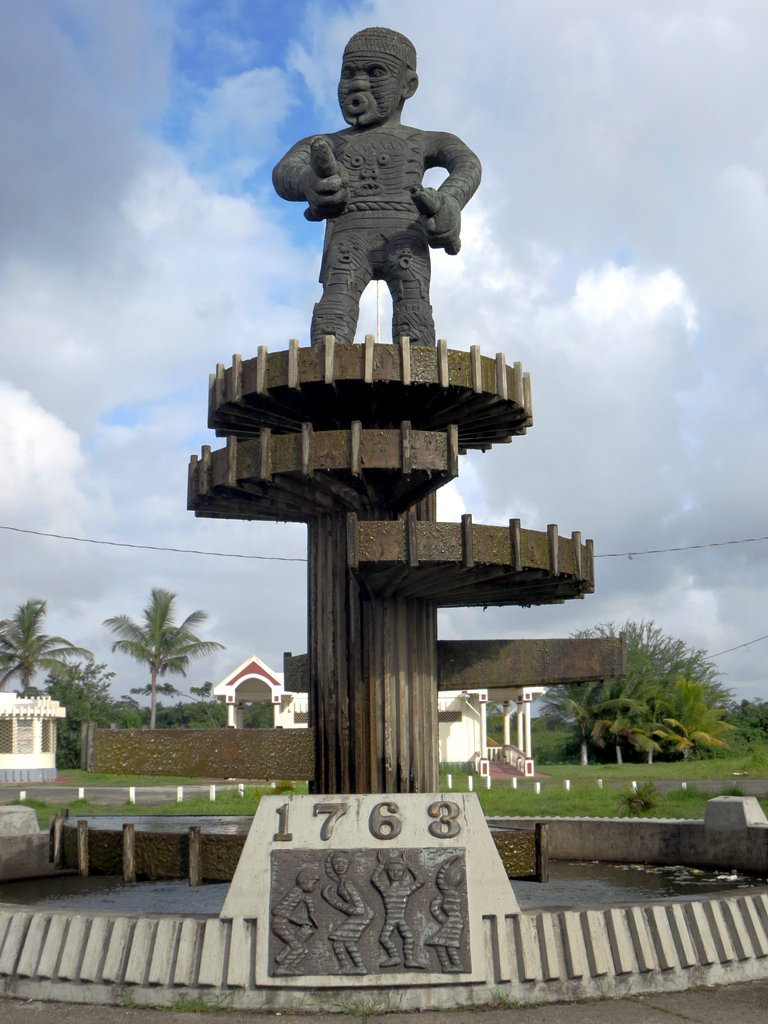
Emancipation Day is observed in many former European colonies in the Caribbean and areas of the United States on various dates to commemorate the emancipation of enslaved people of African descent.
www.officeholdiday.com, in their brief History of Emancipation, said, “The British, like other colonial powers, had allowed the widespread practice of slavery to take place during the time of expansion to the new world. In 1772, the ruling in the case of Somerset v. Stewart determined that slavery was unsupported by the common law in England and Wales. While the ruling was not entirely clear on the situation in other parts of the Empire, this case was seen as a key turning point in the change towards emancipation.
As we celebrate 184 years of being emancipated, there are many Caribbean countries/islands and a few of the American States and Territories that celebrate this day as a holiday. Guyana, Barbados, Jamaica, Trinidad and Tobago, Florida, Georgia, Texas, and Puerto Rico, just to name a few.
Emancipation Day in Barbados is part of the annual “Season of Emancipation,” which began in 2005. The season runs from April 14 to August 23. In Jamaica is a national holiday and part of a week-long cultural celebration, during which Jamaicans also celebrate Jamaican Independence Day on August 6. On 1 August 1985, Trinidad and Tobago became the first country in the world to declare a national holiday to commemorate the abolition of slavery.
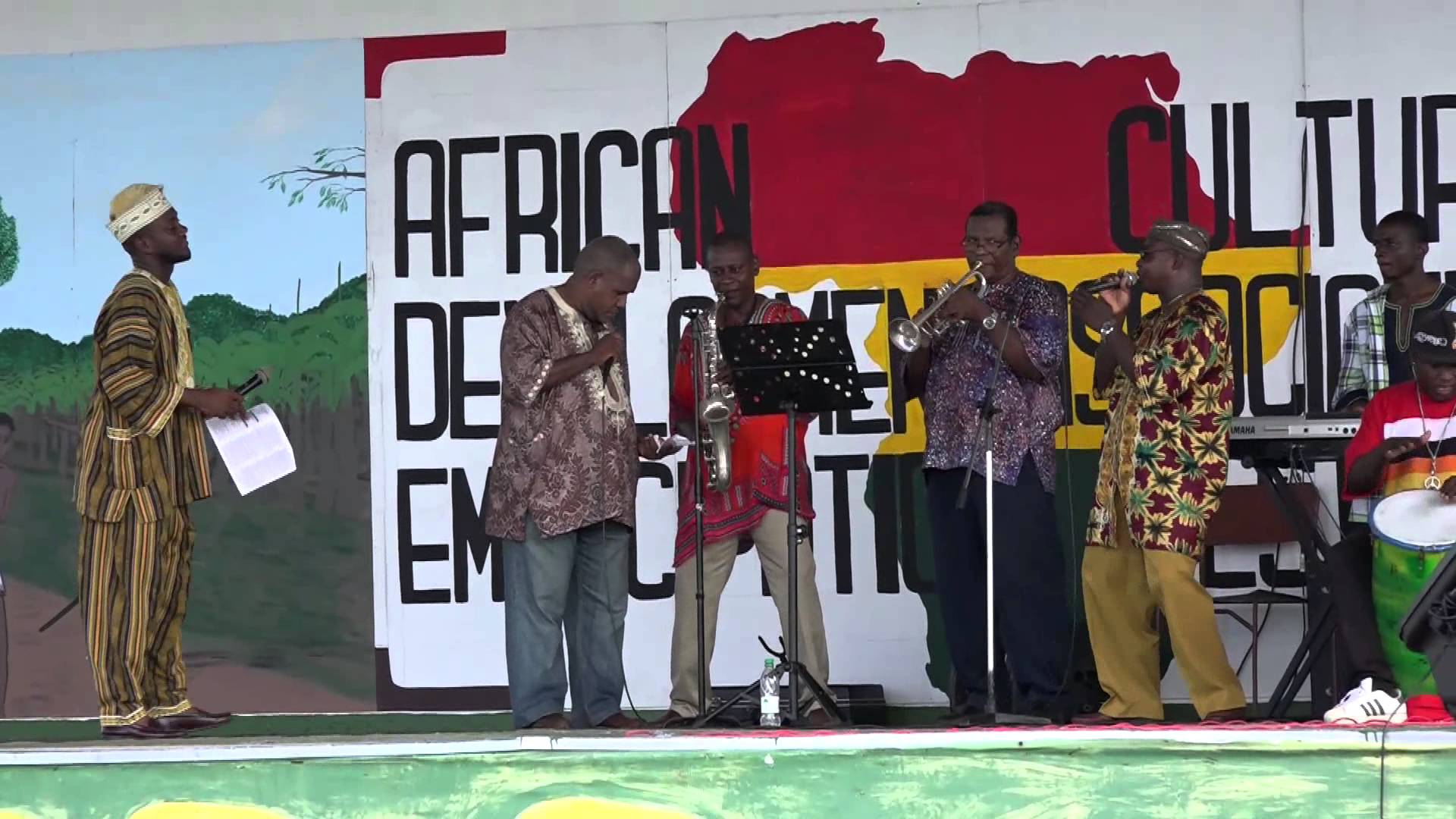
Guyana celebrates emancipation on 1st August; it begins at midnight with a SOIREE celebration. SOIREE is the celebration of Emancipation from slavery in 1838. It takes place on the eve of Emancipation Day and the celebration ends on the break of the new day. Click on the link to read more about these celebrations from the Guyana Chronicle Newspapers. https://guyanachronicle.com/2018/07/29/let-the-soiree-live-on-keeping-the-age-old-african-celebration-alive
Montserrat, the island, I consider home, which is, however, a British colony (currently called a British Overseas Territory) that observes Emancipation Day as a holiday on the first Monday in August. There is no big African celebration but a day quietly spent with families and friends. There is even now a large debate amongst residents about whether Montserrat should demand independence or not. Most of our financial support comes from Britain.
On Tuesday, 31 July 2018, my bible study of the book of Genesis 9:18–29 reveals the history of slavery, where it all began. According to the bible it was recorded where Noah cursed Ham’s Generations. It tells us of the Curse of Ham and especially his son Canaan. The bible also speaks to freedom. Christ has set us free. Read Galatians 5:1, Luke 4:18 and Luke 4:18. I will also advise us to pray for the removal of the generational curse.
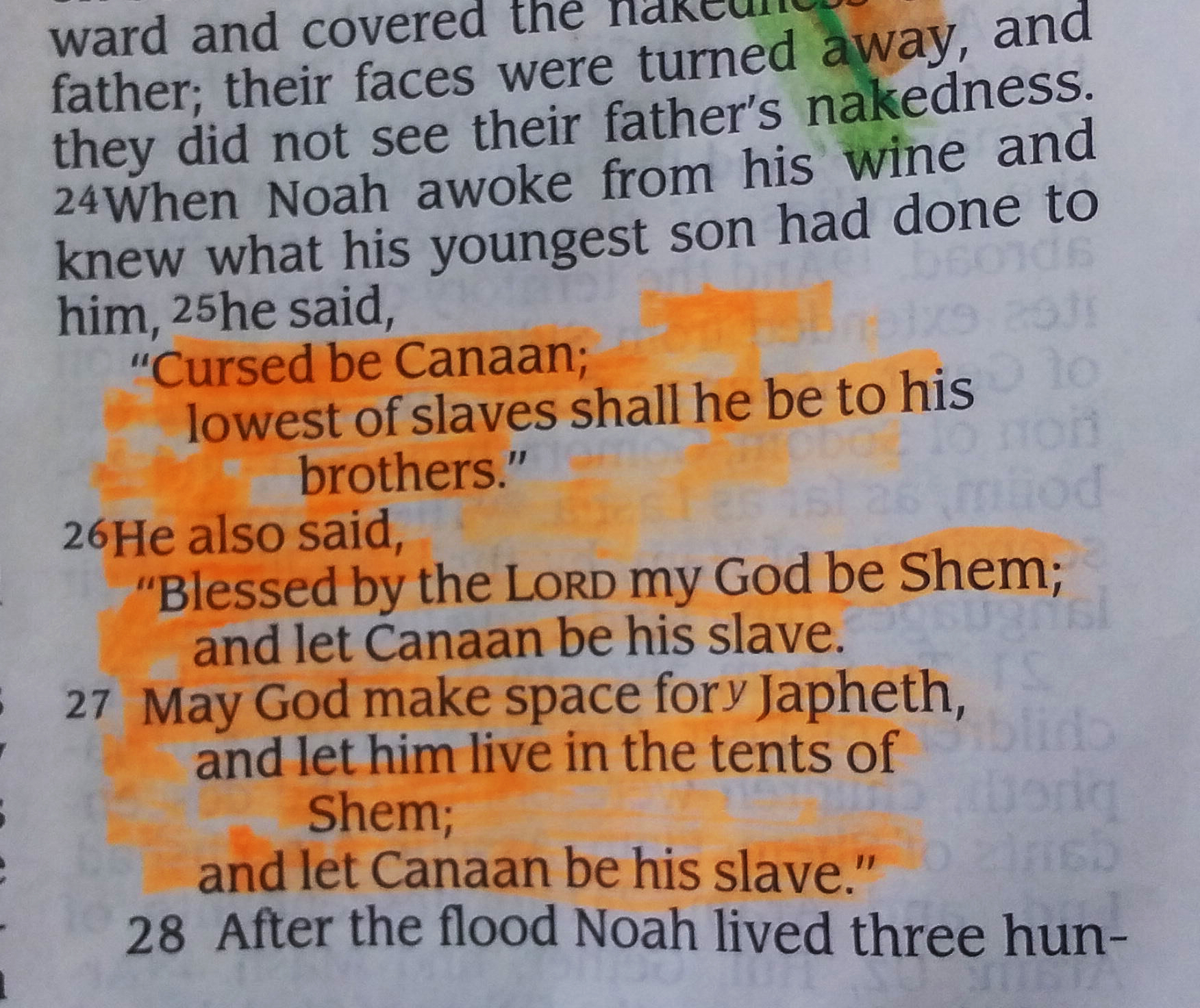
Genesis 9:24-27
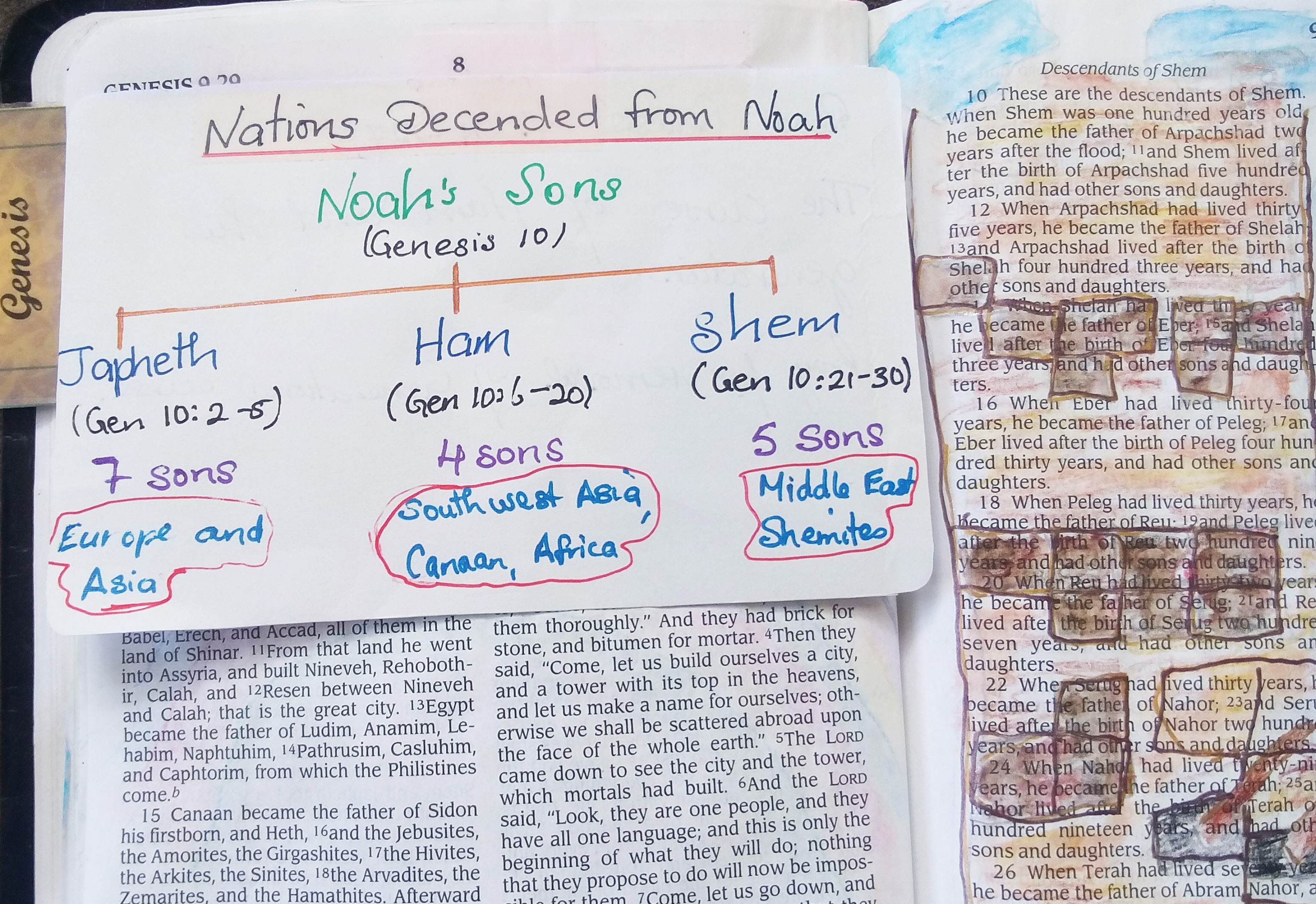
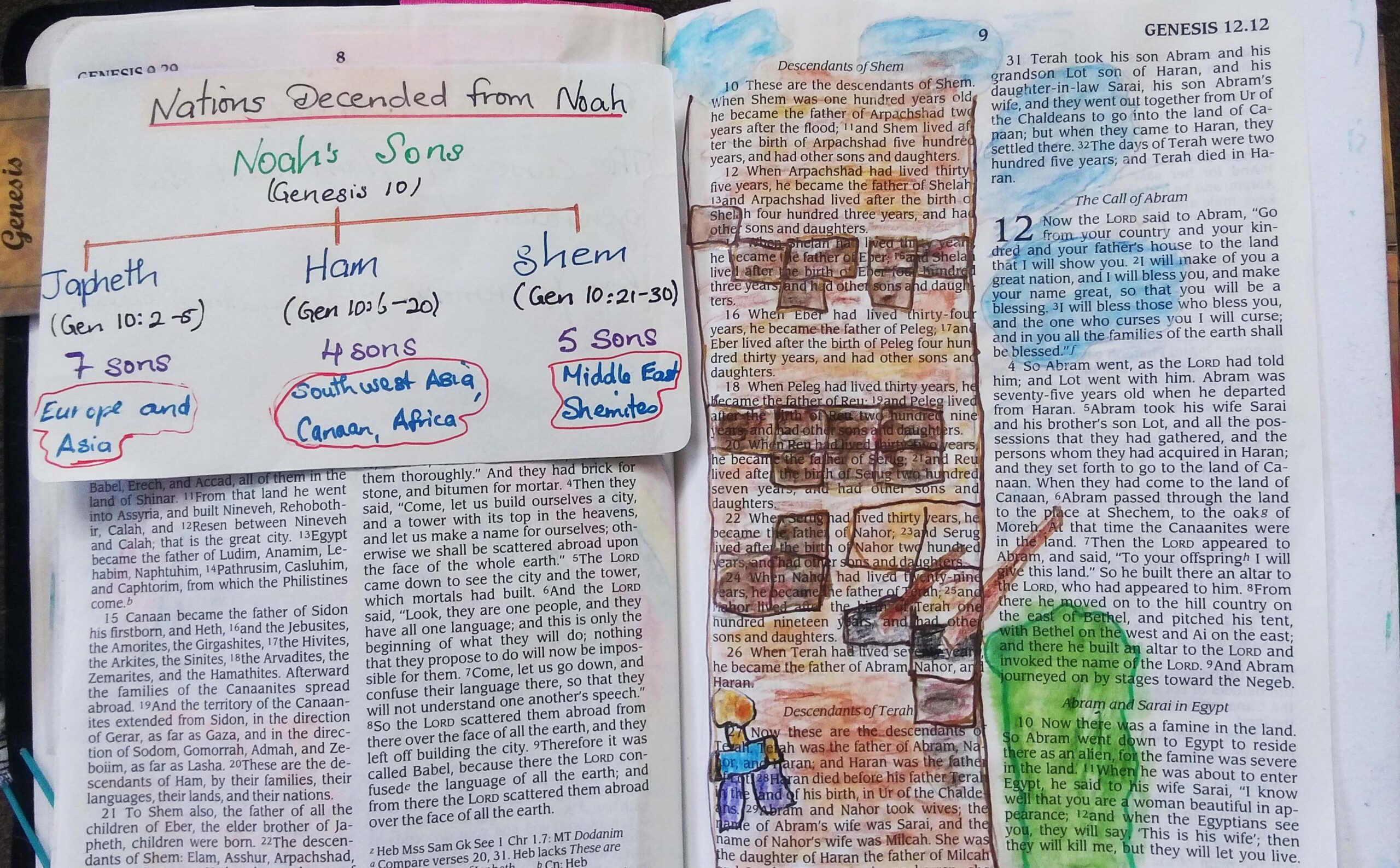
I encourage you to do your own research. Take this journey and follow where the different descendants of Noah settled. As I present you with some illustrations from around the web, I would like to introduce you to Bible journaling. In the future, I will share more of my work also.
What is Bible journaling?
According to Nathan Magness, “bible journaling is an exciting way to engage with Scripture. It can transform the way you spend time in the Word and it all begins within the margins of the Bible.
With Bible journaling, you will find a creative and fresh approach to the age-old discipline of Bible reading. With a pen in hand, you can visually capture Scripture, meditate on God’s Word and memorise the text. Some choose to journal as an expression of private devotion; others journal as an act of worship; and there are even some who consider it a creative outlet that can be shared.
No matter what your purpose for Bible journaling is, the beauty of the movement is this: it doesn’t require a skilled artist. All that matters is that you’re willing to experience God and His Word in a creative way.
In another next post, we will look at different ways to do bible journaling.